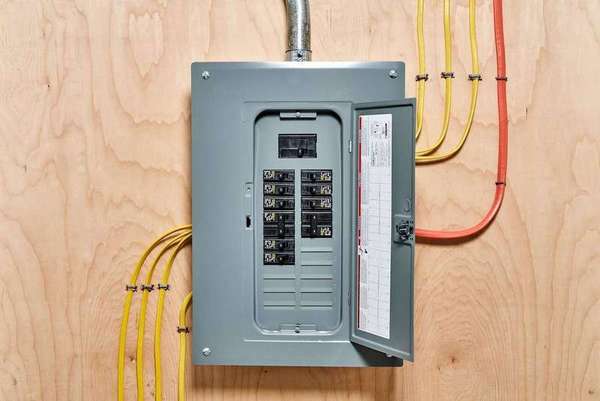
"Whole House" Means Different Things to Different Installers
Here's the honest version. When some companies sell a "whole house generator," what they install is a medium-sized unit wired to essential circuits only — fridge, some lights, the Wi-Fi. The air conditioner, electric range, dryer, and pool equipment stay dark. That's a perfectly good setup for many families, but it isn't whole-house coverage.
True whole-house coverage means the generator can carry your home's entire calculated load — every circuit, running the way your family actually uses the house. The difference between the two isn't marketing; it's arithmetic. A unit that's too small will stall or trip when the A/C compressor kicks in. A unit that's oversized costs more to buy, burns more fuel, and can actually run worse under light loads.
The right size is a number, not a guess. We calculate your home's demand load — the sum of what everything draws, adjusted for how appliances actually cycle — and size the generator to that figure with proper headroom. That's the whole job, and it's the part that matters most.